
They are the characters that we are supposed to hate. They are the characters that go toe-to-toe with the heroes of the story. They are the characters whose downfalls we cheer and whose defeat we hope for. They are the characters that greatly impact the heroes journey. Yes they are the villains of the world. Villains are the characters that we are conditioned to dislike and sometimes overlooked when it comes to the stories that we enjoy. As a note before I move forward, when I refer to to stories I am not just referring to literature. I am referring to movies and TV.
When we finish a story, we often talk about the main characters, usually the hero and the story. But what is often overlooked is the villain themselves. And to me, the villain is one of, if not the most important part of a story. Without a villain, there is no conflict, no tests of character, no story. So, a villain has to be well created and eye catching so that we as a reader or viewer, have a character we can get invested in and dislike, or like depending on certain points of view.
When it comes to creating and designing a villain, a new trend has started to emerge that I am not a fan of. This trend was one of the inspirations for this piece. The other inspiration we will see later, but for now, I want to discuss the idea of the “Sympathetic Villain”. This is an idea that has been around for a while, but has started to gain more and more traction in recent times.
The Sympathetic Villain is the villain of the story, but you empathize with them and want to see them have a happy outcome. We want to see them redeemed and we are left wondering if they are the true heroes of the story. These kind of villains usually have a tragic backstory that tries to justify their dark deeds and acts. And at the end of the story, these villains either get a redemption arc and become the heroes, or they die and you genuinely feel bad for them.
But here is my problem with these types of villains. I grew up watching and reading about some the greatest villains ever. Villains like Maleficent from Sleeping Beauty, Emperor Palpatine from Star Wars, Lord Voldemort from Harry Potter, these villains were evil and they knew it. They never tried to play the role of the hero and weren’t ashamed at their evil deeds. But those type of villains are becoming more and more rare and we are getting more the Sympathetic Villains. I wrote about misunderstood villains earlier this year so I won’t go into too much detail regarding that subject.
Instead of focusing on the Sympathetic Villain, this piece is going to focus on what I think makes a truly outstanding villain. Which brings us to the other inspiration for this piece. I recently finished Claire Legrand’s outstanding Emperium Trilogy which my opinion, contains one of the better literary villains to emerge in the last few years. The angel Corien is everything a villain should be. He knows he is powerful, he isn’t afraid to use his powers, he doesn’t claim to be a good guy and finally, he relishes his acts of evil. Corien manipulates, schemes, plots and overall is a villain who has a single goal, to free all of the angels, thereby dooming humanity. In his eyes, his cause is righteous and good, but, he also knows that bloodshed and sacrifice is required to achieve this goal. He is more than willing to spill both human blood and angelic blood in order to achieve his goal.
Despite the fact that Corien was the villain of the story, I LOVED his character. His charisma, his charm and intelligence, punctuated by moments of rage, made him an outstanding character. But he got me thinking. Why did I like this particular villain over other ones I had read and seen. And so, I began making a list about what makes a good villain and what villains fit into those roles that I truly liked. Now obviously, I won’t be fitting every reason I came up with here, but I will feature a few in order to demonstrate that is something to be gained from ditching the Sympathetic Villain.
First off, a villain doesn’t need an incredibly complicated backstory to explain why they are evil. They can be evil just for the sake of being evil. No sympathy ploys, no convoluted explanations, just pure old fashioned being evil because they feel like it. A villain who is evil because they feel like it isn’t one you can reason with. If you try to reason with these kinds of villains, they are likely to just kill you on the spot. Yes this is very simple and doesn’t fit the mold of the complex world today, but there is nothing wrong with it in my opinion.
The villain who typifies this brand of villainy is the original Maleficent from Sleeping Beauty. Yes, Angelina Jolie played an excellent Maleficent in the two live action movies, but the original animated Maleficent will forever be the greatest Disney villain there is. She didn’t have a backstory, there wasn’t a rhyme or reason for why she was evil, she was just evil. She didn’t get invited to a christening, so she cursed the baby. Oh and she later turned into a fire breathing when the prince tried to save the day. This is not a villain that can be reasoned with or one you can simply defeat with words. You have to physically battle this one if you want to succeed. And because Maleficent didn’t have a big backstory, you instantly knew she was the villain and for better or worse, you liked or dislike her. There was no ambiguity with her.
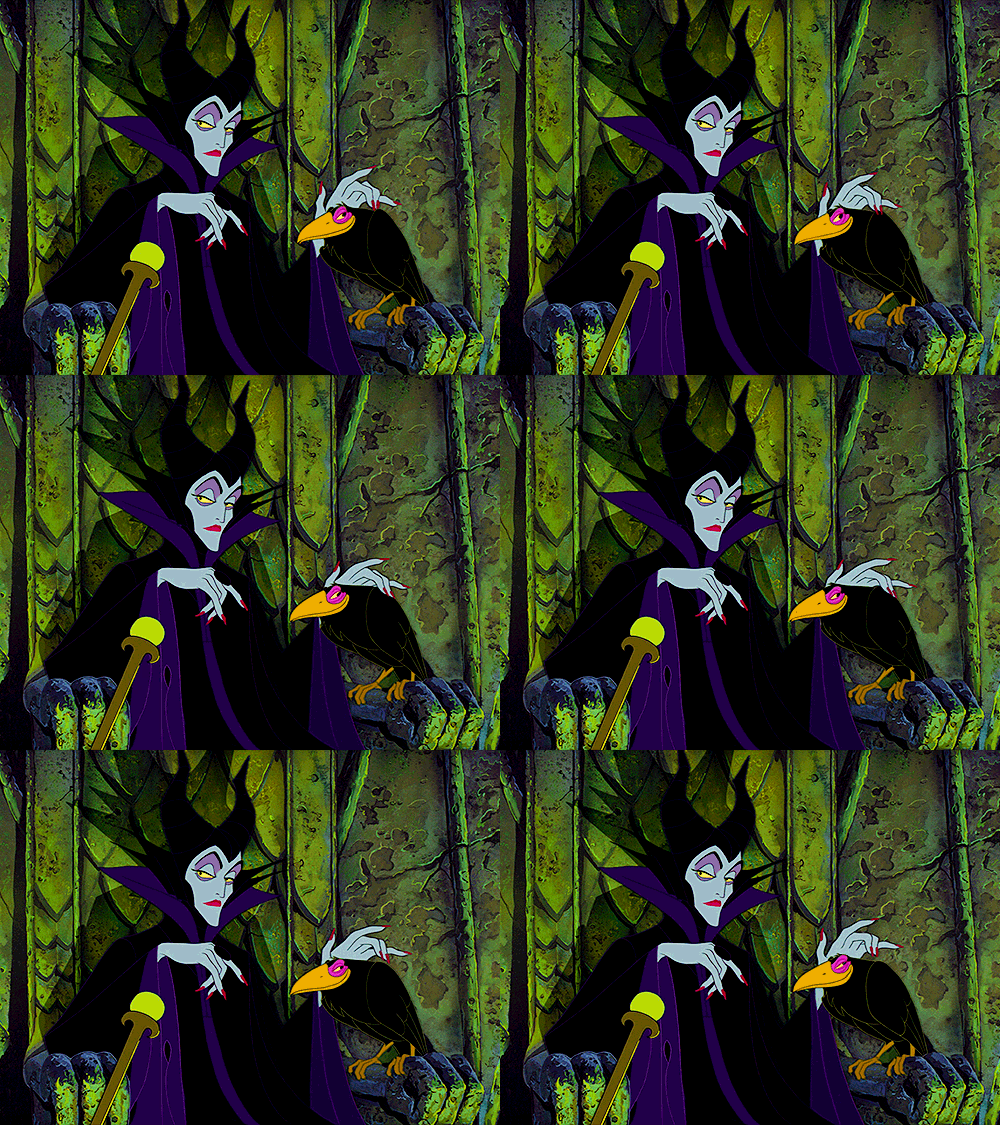
Maleficent was also one of those villains that loved being the villain. She delighted in cursing Aurora, she reveled in the fact that she turned into a fire breathing dragon to take on Phillip. A good villain has to enjoy being the villain. They can’t go back and forth, wondering if they truly are a villain, or wondering if deep down, they are good. Lord Voldemort is a perfect example of this. Voldemort delights in the spectacle of being a villain. He is over the top, unafraid to show off his powers and doesn’t try to pretend that he is good. He believes his cause is righteous, but he understands that he is in the minority, so he will have to be a villain in order to achieve his goal. And he is perfectly okay with that. Early on, a villain CAN have a little bit of ambiguity. But once they are revealed to be the main villains, they have to embrace that and run with it. The more a villain dabbles with the idea of being a hero, the harder it is for us to take them seriously.

Then, there is the skill of the villain themselves. A good villains has to be able to give the hero a run for their money. Whether it’s through skill, manipulation or a combination of both, a great villain has to be a challenge to hero along their journey. The villain has to be able to thoroughly kick the hero’s ass in the first encounter AND still be a threat at the climax. When the hero and villain have their climatic final showdown, there has to be doubt in our mind that our hero can win. Enter from stage left Emperor Palpatine of Star Wars fame.
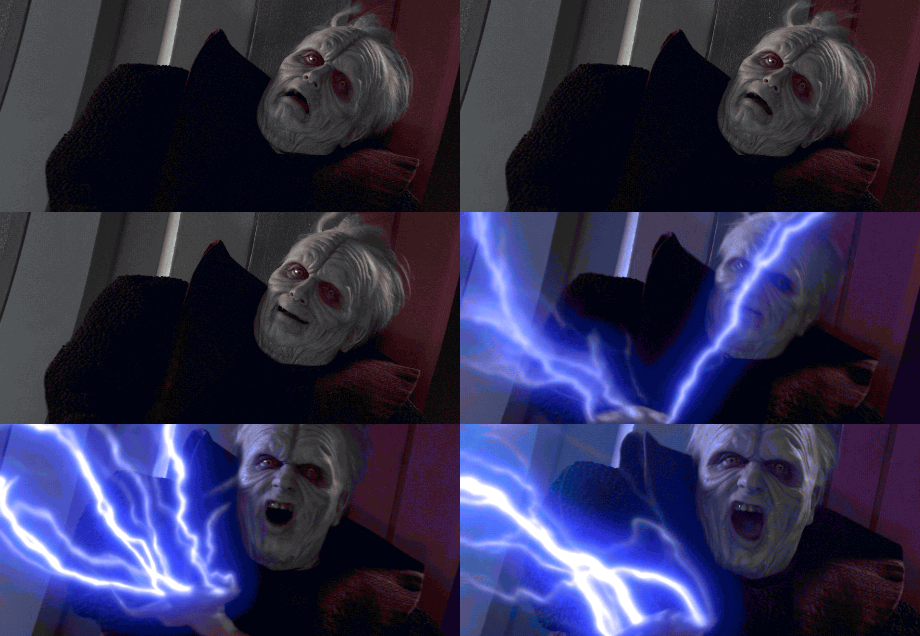
Palps is one of those villains who does it all. The Dark Lord of the Sith is skilled in both the lightsaber and the Dark Side of the force, as well as being incredibly manipulative behind the scenes. At every step of the way, whether it’s in the original trilogy or the era of the Clone Wars, Palpatine is always pulling the strings and you know that it is going to take a miracle to beat him. Even when the legendary Master Yoda faces him, we know that our heroes aren’t going to win this fight. If there isn’t that shred of doubt, we have no reason to be invested in the story and Palpatine always creates that little hint of doubt that our heroes may not win.
To fully appreciate the heroes journey, a villain must test the hero and force them to evolve and improve. The great villains drive the hero to the edge of their limits and beyond in pursuit of success. The villain must have a skill set that not only rivals the skill set of the hero, but they must have a skill set that forces the hero to adapt. Step forth Professor Moriarty, archnemesis to the great detective, Sherlock Holmes. Moriarty takes all of the traits that I have mentioned so far and manages to create one of literature greatest and most well known villains out there.
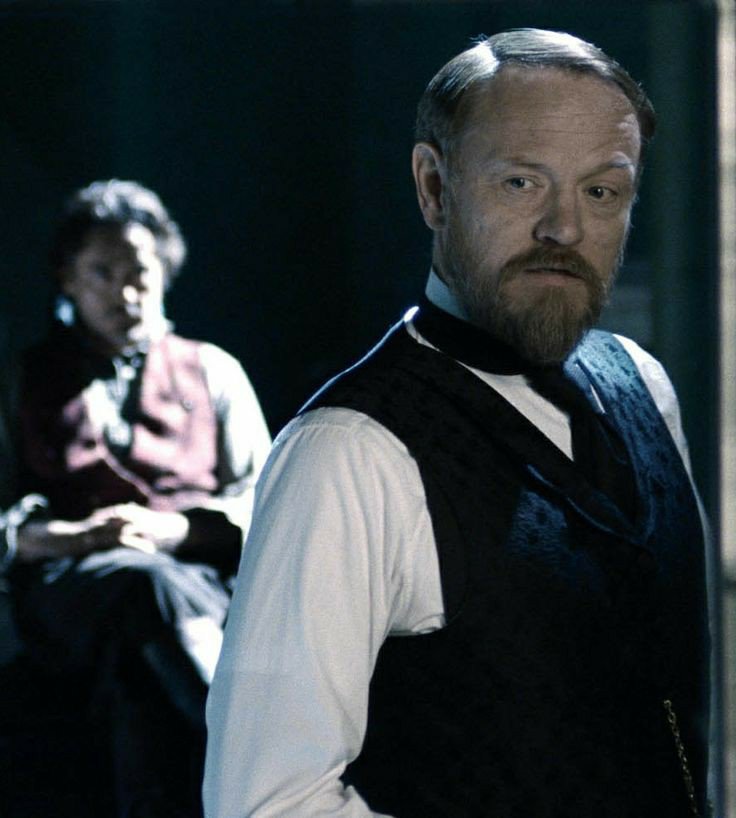
Moriarty is the one villain that Holmes called his equal which, considering his ego, is really saying something. In Holmes’ words, Moriarty is the “Napoleon of Crime”, so Moriarty is not someone to take lightly. And that’s what makes him such an outstanding villain. Moriarty has the knowledge and the capacity to outwit the greatest detective in literary history time and time again. He is constantly defeating Holmes and forcing Holmes to go to extreme measures to try and defeat the professor. And that is the mark of a great villain, forcing the hero to adapt their strategy so that they can defeat the villain. Moriarty is classic, smart, cunning and well written villain that utilizes all of the traits that I have mentioned.
As I near the end of this lengthy post, allow me to offer a few caveats. First, to be a great villain, one must not have all of the above traits. A few or even just one will sometimes suffice. Secondly, there are a lot of other great traits that I didn’t have time to mention. Finally, there are plenty more villains that could fit these particular archetypes, but these were the first villains that came to my mind.
Villains are always a tricky subject to evaluate because we are often rooting against them. And yet, I usually find the villains the most interesting characters in a story. And there is nothing wrong with purely hating villains, despite how interesting they be. But, I do think that authors need to move away from the sympathy villain. These villains are not true villains and it bothers me as someone who loved the great villains that these are the villains that people gravitate towards now.
While the sympathy villains can sometimes be more complex, they often lack the “villain” nature. They aren’t so much villains, but anti-heroes. And in the end, most of these villains become the heroes. But the bigger question for me is why. Why are writers gravitating towards these kinds of villains? Well, like my previous villain post there is no right answer and its complicated. Are we attempting to normalize evil? Is it human nature to believe that we all are good deep down? I can’t say for certain but I will say that I hope that writers go back to old school style of villains. Hopefully future generations can have their Maleficent, their Voldemort or Emperor Palpatine someday.
 The Reader's Corner