Film adaptations of books are incredibly tricky to pull off. Those who have read the book or books that the film are based on will inevitably compare the book to the film directly. There is a saying I use and have seen used many times that goes “Never judge a book by its movie.” Readers often use this saying because the film adaptations of their favorite book never lives up to the hype.
Studios have certainly tried to make the perfect film adaptations. Every year it seems like another popular book is being made into a film adaptation or TV show adaptation. Famous series like Twilight, The Hunger Games and Harry Potter have all received the film treatment, to varying degrees of success. While Vampire Diaries, Game of Thrones and the Shadowhunters universe of Cassandra Claire have all received the TV series treatment to again, varying degrees of success, (I don’t need to tell you how bad the final season of GoT was.)
There are varying reasons why page to screen adaptations are so mixed. One reason is that sometimes it’s just hard to pull off the attempt. Sometimes the authors vision of the book does not translate well to the screen. Other times, it’s because studios want the film to succeed and change the story or deviate from the book in order to make the movie more appealing to audiences. And sometimes it’s us as the reader having unrealistic expectations of what the movie should be. We believe it should be a scene for scene likeness of the book. Everything in the book should be in the film. Which again, is hard to do.
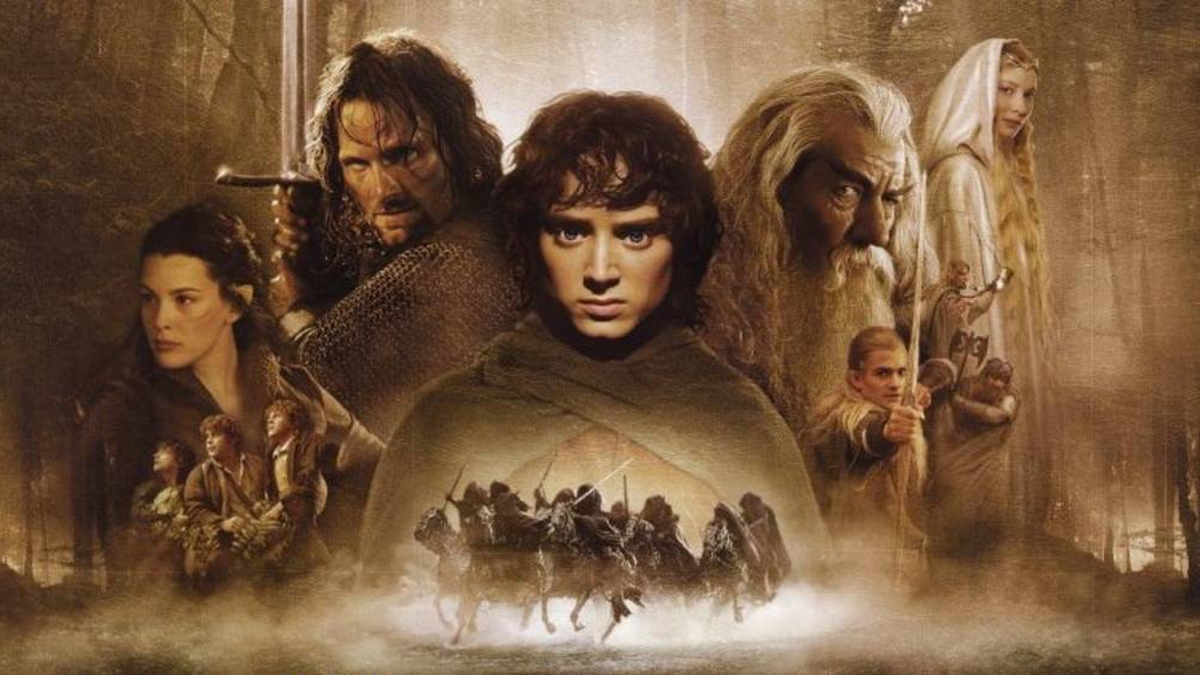
But there is one adaptation that is universally acclaimed by critics, readers and film fans alike. That of course is Peter Jackson’s adaptation of J.R.R Tolkien’s renowned series, Lord of the Rings. First published in 1954, The Fellowship of the Ring kicked off the trilogy that would be followed by The Two Towers and ending with The Return of the King. Initially, the books received either enthusiastic support, or outright rejection of the books. But, as time progressed, the books became one of the most popular series in the English language. Translated into numerous languages, known across the world and beloved by those who have read them, they have spawned a following unlike any other. The books are some of the best selling books of all time, with over 150 million copies sold.
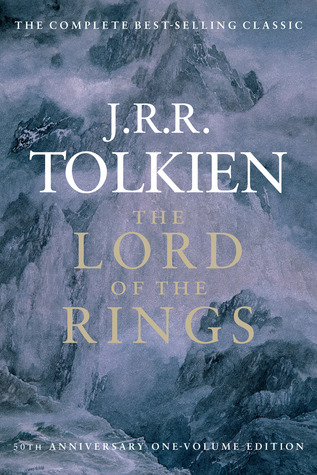
LoTR had several film and television adaptations before Peter Jackson’s famous trilogy. These smaller adaptations had mixed reviews and none of them seemed to fully capture the spirit, themes of grandeur of Tolkien’s vision. Famed director Stanley Kubrick even called the series “unfilmable”. But, director Peter Jackson set himself the task of adapting the famous books for the big screen. After being turned down by multiple studios or the original studio Miramax dabbling withe script to Jackson’s displeasure, New Line Cinema took up the task of helping Jackson do the impossible.
What followed, was an epic trilogy the likes of which had rarely been seen. The films smashed box office records, won critical acclaim wherever they went. And in the case of Return of the King, dominated the oscars winning all 11 Oscar awards it was nominated for. The actors and actresses became household names, if they weren’t already, and LoTR gained even more new followers. Which begs the question, why were the films so popular with both critics and audiences? Why was a film series, based on a book series that some people called unfilmable, one of the most successful franchises in history?
The answers to the above question are many. For one, while Jackson tries faithfully to stick to the original source material, he did deviate from the original plot. Plot points such as rhe character of Tom Bombadil and the Scouring of the Shire were completely omitted from the films. Several themes were also omitted or changed and the films follow a more chronological time-line as opposed to Tolkien’s telling of the story.
As with most book to film adaptations, the biggest omission is theme. Tolkien’s themes of free will and individual responsibility take a backseat to the action sequences such as Helm’s Deep Minis Tirith. Fordo’s inner journey is also overshadowed by by an American monomyth, with Aragorn as the hero. This hero’s journey mostly is the central focus of the films especially the Two Towers.
For all the changes however, the films are still able to evoke the same emotional feelings as the books, thanks to Jackson’s brilliant use of images, words and music. The music in particular, complete with Elven choirs, helps set the tone and emotions for the scenes of the films. Costuming, set design and special effects also help play a massive part in creating the world of Tolkien.
Taking all of this into account, why are the films still considered the beat adaptations of the original books? Well for starters, they are the most well known. Premiering in the early 2000s, the films are recent enough to still be in the recent memory. The films were also really the first time someone had set out to adapt all three books into a cohesive film series. Not only that, but the majority of the films still follows the original storyline quite well. As LoTR fans say, the films are best adaptations, considering the original source material.
For all the flaws, changed plotpoints and missing pieces, Peter Jackson’s Lord of the Rings is in my personal opinion, the best page to screen adaptation out there. A series that was deemed unfilmable by so many, has been turned into a utter masterpiece that will go down as one of the finest pieces of cinema the world has ever known.
 The Reader's Corner